
How Many Calories Should I Burn a Day for Healthy Weight Loss


We know that our bodies require calories or energy to function correctly, and this energy comes from the food that we eat. However, it can be challenging to determine the number of calories (or food) we need to consume and burn daily for weight loss and to maintain good health and fitness.
The number of required calories for each individual is not a one-size-fits-all answer. It depends on various factors, including our everyday activities such as breathing, digesting food, blood circulation, and other regular body functions.
Additionally, each individual’s characteristics, such as age, gender, weight, and physical activities, must be considered to determine the energy requirement accurately.
The Basics of Calories
Calories are the units of energy that quantify the amount of energy food provides to the body and the amount of energy the body expends during activity.
What Are Calories
A calorie is a measure of energy. Specifically, it is the energy required to raise the temperature of 1 gram of water by 1 degree Celsius. The calories listed on food packages are kilocalories (kcal), with one kilocalorie equaling 1,000 calories. Our body uses this energy to perform all functions, from movement to digestion and regulating body temperature.
Energy is also referred to in kilojoules (kJ), another measurement unit. To understand the conversion of a calorie to a kilojoule, a simple calculation to remember is one calorie is equivalent to approximately 4.184 kilojoules.
Calorie =Kilojoules
1 =4.184
10=41.84
100=410.84
To convert calories to kilojoules, multiply by 4.184. To convert kilojoules to calories, divide by 4.184.
How to Determine Your Daily Calorie Requirement


A basic understanding of your daily caloric needs is necessary to maintain, lose, or gain weight. There are many tools that you can use; however, before you start calculations, there are two things that you must be clear on.
Basal Metabolic Rate I like using Mifflin–St. Jeor Equation. While this equation is not necessarily the most accurate because it does not consider one’s body composition, it is easy to use.
Women: BMR = 9.99 x weight + 6.25 x height – 4.92 x age – 161
Men: BMR = 9.99 x weight + 6.25 x height – 4.92 x age + 5 (Note: Weight is in kilograms, height is in centimeters, and age is in years.)
Physical Activity Level
Physical Activity Level, or PAL, determines how many additional calories one burns daily. The PAL factor ranges from sedentary behavior to high physical activity. An easy formula is to Multiply their BMR by their PAL to account for calories burned during activities.
PAL Categories:
- Sedentary: Little or no exercise (BMR x 1.2)
- Lightly active: Light exercise/sports 1-3 days/week (BMR x 1.375)
- Moderately active: Moderate exercise/sports 3-5 days/week (BMR x 1.55)
- Very active: Hard exercise/sports 6-7 days a week (BMR x 1.725)
- Extra active: Tough exercise/physical job (BMR x 1.9)
Total Daily Energy Expenditure
The Total Daily Energy Expenditure (TDEE) represents the total number of calories one needs to consume to maintain their current weight, given their BMR and PAL. It is the sum of calories expended through essential bodily functions, daily activities, and exercise. To alter weight, one would adjust their calorie intake below or above their TDEE, depending on the goal.
To calculate TDEE:
- TDEE = BMR x PAL
What Is a Good Number of Calories to Burn?

The number of calories an individual should burn daily varies depending on age, gender, weight, height, and overall physical activity level. As a guide, the Dietary Guidelines for Americans suggest that the average woman needs about 1,600 to 2,400 calories a day, and the average man needs 2,000 to 3,000.
Factors that can influence how many calories you need daily.
- Age: Metabolism typically slows with age, affecting daily caloric burn.
- Gender: Men often burn more calories at rest than women due to having more muscle mass.
- Weight: Those with higher body weight may burn more calories during activity, as more energy is required to move.
- Height: Taller individuals can burn more calories due to the energy needed to move a larger frame.
- Activity Level: More active lifestyles lead to higher caloric expenditure.
Suggested Caloric Deficit
For weight loss, a caloric deficit is necessary. Meaning you must burn more calories than you consume. A commonly recommended deficit is 500 to 1,000 calories daily, leading to a gradual weight loss of about 1 to 2 pounds per week. However, one should consume 1,200 calories per day for women and 1,500 calories per day for men unless supervised by a healthcare provider.
Considerations
- Consult a Professional: Consult a dietitian or healthcare professional for personalized advice.
- Balance: Ensure a balanced diet to maintain nutrition while cutting calories.
- Safe Limits: Avoid excessive calorie restriction or over-exercising.
Adapting the caloric burn to your specific goals, capabilities, and nutritional needs is essential for optimal health and well-being.
Maintaining Energy Balance Energy balance is the balance of calories consumed through eating and drinking minus the calories burned during the digestion and processing of food (TEF), non-exercise activity thermogenesis (NEAT), and calories burned during exercise and physical activity (TEA). Energy In represents energy intake (total calories consumed) in a given period.
Energy Out represents the energy expended (calories burned) through the digestion and processing of food and energy expended during activity or other non-exercising movement.
How Do You Create a Calorie Deficit for Weight Loss?


Creating a calorie deficit involves expending more calories than you consume. This balance is the cornerstone of weight loss.
Understanding the Concept of a Calorie Deficit Daily for Weight Loss
A calorie deficit occurs when people consume fewer calories than their body needs to maintain weight. This deficit forces the body to use stored fat as energy, leading to weight loss. For instance, a daily calorie deficit of 500 calories can lead to approximately one pound of weight loss per week, as 3,500 calories equal about one pound of fat.
Safe and Sustainable Deficit Levels
Health experts typically recommend a calorie deficit of 500 to 1,000 calories per day, leading to a safe weight loss of about one to two pounds per week. However, it’s important not to consume more than 1,200 calories per day for women and 1,500 calories per day for men unless a physician supervises it.
Which “diet’ should you choose
There is a lot of hype around which is the “best diet for weight loss.” To clarify, it does not matter which diet you choose. They all incorporate one guiding principle. It would help if you created a caloric deficit to lose weight and shrink that body fat.
For example, for body fat loss to occur, it is advisable that the diet has an energy (calorie) content that places the dieter in a caloric deficit, contains an adequately high amount of protein, and is based on predominantly minimally processed foods.
Clearly, the diet could be set up in many ways to achieve such principles.
Some dietary approaches have much more substantial evidence behind their efficacy than others.
The Mediterranean diet and the DASH diet have extensive peer-reviewed literature behind them, with the vast majority showing clear benefits for health.
Other diets have little extensive, high-quality, long-term research supporting their use.
Incorporating Exercise and Dietary Changes to Help Weight Loss


There is a system to create a calorie deficit. It requires both increased physical activity and dietary changes to be effective:
Exercise: Engage in regular physical activities, such as:
- Aerobic exercises (150-300 minutes per week)
- Strength training (two times per week)
Diet: Implement dietary changes like:
- Focusing on nutrient-dense foods
- Reducing portion sizes
- Limiting processed foods and added sugars
Combining these strategies leads to a sustainable calorie deficit and, consequently, weight loss.
How Do You Set a Weight Loss Goal and Timeline?
Setting a weight loss goal and establishing a timeline are pivotal steps. They require you to assess your current state, craft attainable objectives, gauge the time needed based on caloric deficits, and track your progress to ensure adaptability.


A visual comparison of oneself before and after the weight loss journey can be a powerful motivational tool and a concrete way to measure progress. Individuals often take a “before” photo at the start of their weight loss program and a series of “after” photos at various milestones to visualize their transformation.
Weight Loss Comes Down to Having the Right Mindset and Realistic Goal Setting.

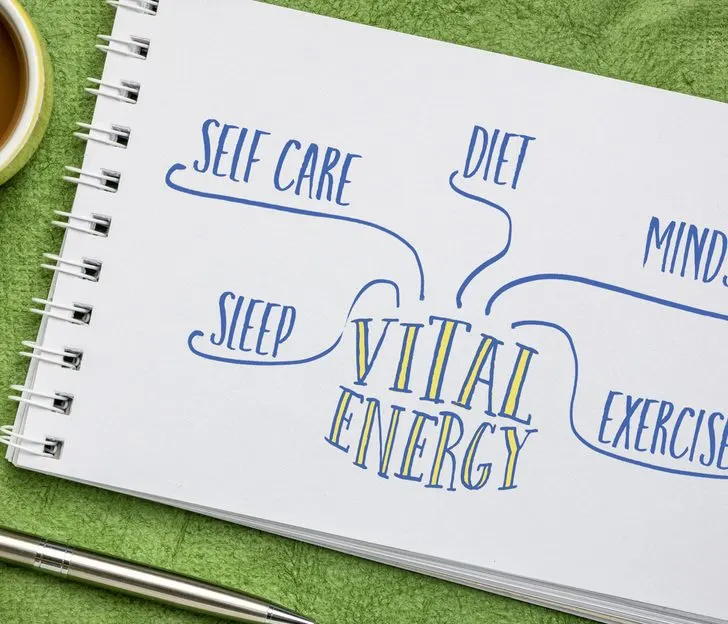
Why You Should Aim To Set Realistic Weight Loss Goals
The key to setting realistic weight loss goals lies in understanding one’s body and the science of weight loss. A safe and sustainable rate of weight loss is typically 1-2 pounds per week. Goals should be specific, measurable, achievable, relevant, and time-bound (SMART) to increase the likelihood of success.
- Specific: Define how much weight one aims to lose.
- Measurable: Determine how progress will be measured (e.g., scale, body measurements).
- Achievable: Make sure the goal is attainable, given one’s resources and time.
- Relevant: Ensure the goal is important to the individual’s health and well-being.
- Time-bound: Set a definitive timeframe for achieving the goal.
How Much Time Required to Reach Your Goal Based on Calorie Deficit?
We must understand the relationship between calorie deficit and weight loss to estimate the time required to reach a weight loss goal. A deficit of approximately 3,500 calories is needed to lose one pound. By subtracting 500 to 1,000 calories from their daily maintenance calories, individuals can expect to lose weight at a healthy rate.
For example:
- 500 calories/day deficit = ~1 pound loss/week = ~4 pounds loss/month
- 1,000 calories/day deficit = ~2 pounds loss/week = ~8 pounds loss/month
Calculating the daily calorie needs and incorporating physical activity can refine these estimates further.
Why Having the Right Mindset Leads to Success in Weight Loss
Having the right mindset is not just about thinking positively but about belief. If you have ever gone on a weight loss diet only to regain the weight a short time later, that will have an impact on your belief system, especially if you went on one of the many fad diets that promised great success.
We all know mostly what we genuinely need to lose weight. We know that what we eat and move affects our weight and health.
However, understanding how much food we need for weight loss requires shifting from a mindset of restrictions to one of control. And that is something that you learn along the way to your goals.
Changing negative mindsets to positive ones is no easy feat. It requires a great deal of effort, dedication, and self-awareness. But it is possible and can have a very positive impact on our lives. By understanding the power of our thoughts and how they influence our behavior, we can develop more positive mindsets that will help us achieve our goals and lead happier lives.
We can learn how to identify negative thought patterns and replace them with more productive ones through self-reflection and practice.
We can also use visualization, journaling, affirmations, meditation, and mindfulness tools to develop healthier mindsets that will serve us better in the long run.
By taking small steps towards changing our mindsets every day, we can gradually create more positive habits that will set us up for success in the future.
Ways to Monitor Your Progress and Adjusting Goals as Needed


Consistently monitoring progress is critical for staying on track toward weight loss goals. We can do this through:
- Weigh-ins: Regularly scheduled, under similar conditions for consistency.
- Measuring tape: Tracking changes in body measurements.
- Fitness tracker data: Logging workouts and daily activity levels.
It’s important to remember that plateaus and fluctuations are normal. Should progress stall, one may need to re-evaluate their calorie intake and physical activity levels and adjust their goals and timeline accordingly.
Avoid Potential Health Risks Associated with Extreme Calorie Restriction
When an individual significantly reduces calorie intake below their daily energy requirements for a prolonged period, the body may experience a range of adverse health effects.
Nutritional Deficiencies:
- Vitamins
- Minerals
- Essential fatty acids
- Amino acids
A severe limitation in calorie consumption can lead to deficiencies in vital nutrients. The body needs a balanced supply of vitamins and minerals to function correctly. Lack of essential nutrients can compromise immune function and poor bone health.
The Impact on Your Body
- Slowed metabolism
- Lowered basal metabolic rate (BMR)
Metabolic processes slow down as the body attempts to conserve energy. This adaptive response can make long-term weight management more challenging.
How It Affects Our Mood and Mind:
- Anxiety
- Depression
- Altered mood
The psychological impact is significant, with individuals potentially developing negative body image, anxiety, or depression.
The Consequences on our Physical Body:
- Muscle loss
- Hormonal imbalances
- Disruption in menstrual cycles for women
Due to extreme calorie restriction, the body may break down muscle tissue for energy. Hormonal imbalances, including reproductive hormones, can disrupt menstrual cycles in women.
Finally, the risk of developing eating disorders such as anorexia nervosa or bulimia increases when calorie intake is drastically and purposely reduced.
Avoid these health risks by approaching calorie reduction and weight management with a well-informed and balanced plan.
Maintaining a Healthy Lifestyle While Losing Weight


Achieving a healthy lifestyle while shedding weight relies on adopting sustainable habits, engaging in regular physical activity, and fostering lasting motivation. These critical strategies ensure not only weight loss but also general well-being.
It’s All About Long-Term Habits Over Quick Fixes
Healthy Eating: A balanced diet rich in nutrients is essential. One should focus on:
- Incorporating a variety of fruits and vegetables
- Choosing whole grains over refined grains
- Opting for lean proteins and healthy fats
Adopting the three C’s of Weight loss
Consistency: It’s essential to create an eating pattern you can sustain over time rather than rely on temporary diet fads.
Commitment: Finding your primary reason for losing weight helps you to keep going. I usually link my why to what my values are. It has provided me with the motivation I need to keep going. If your reason say is your family link that to how valuable a healthy you can make your family better.
Control: This may be the most challenging part of weight loss. We have access to so much food that it can be hard to say no. Here is a simple trick to help you stay on course. Simple things like having a healthy snack available when tempted to eat foods that will not help you get to your goal.
Incorporating Physical Activity for Overall Health
Routine Exercise: Regular physical activity, such as 150 minutes of moderate aerobic exercise per week, is recommended. Choices may include:
- Brisk walking
- Swimming
- Cycling
Strength Training: At least two days of strength training exercises per week help maintain muscle mass and support metabolism.
Staying Motivated and Committed to a Weight Loss Journey

Setting Realistic Goals: Individuals should set achievable goals and track progress, which might involve:
- Losing 1-2 pounds per week
- Improving fitness levels
Support and Accountability Systems
Building and having a support network through friends, family, a weight loss group, a coach, a nutritionist, or a dietitian can be invaluable for staying accountable and motivated.
Let’s Sum It All Up
Success in weight loss comes through having the right balance and achieving a daily calorie deficit that keeps you energized and not overly restrictive. It helps you cut between 200 and 500 calories daily from your regular consumption.
Without question, cutting calories this way can lead to a weight loss of approximately 1 to 2 pounds per week, which requires that you monitor the amount of food you consume and, therefore, some initial monitoring of your intake.
In the final analysis, this comes from knowing what you consume and will initially require some monitoring of your intake.
All things considered, here are some simple steps you can implement today if your aim of weight loss is to reduce caloric intake by
- Reducing sugar intake
- Reducing highly processed food
- Increase water intake daily by no less than 68 ozs per day.
- Increase Fiber intake- Eat more raw fruits and vegetables.
- Eat a good, healthy protein with each meal.
- Get quality sleep- aim for 7-8 hrs; this helps with cravings and better decisions. You are less likely to grab those high-sugar, high-carb foods.
- Exercise- I recommend 150 mins of exercise weekly and increasing non-exercise physical activity.
- Monitor progress through what you see on the scale, body measurements, energy levels, and how your clothes fit. Combining all this information will help you make adjustments as needed to keep you on track toward your goal.
Above all, extreme calorie restriction can pose serious health risks such as nutritional deficiencies, slowing down your metabolism, and psychological effects. Finding a balance and prioritizing overall well-being while striving for weight loss is crucial.
Disclaimer:
- The information contained in this article is for general information purposes only. The author assumes no responsibility for errors or omissions in the contents of the article.
- The author makes no representations as to the accuracy, completeness, or suitability of the information contained in this article.
- In no event shall the author be liable for any special, direct, indirect, consequential, or incidental damages or any damages whatsoever, whether in an action of contract, negligence, or other tort, arising out of or in connection with the use of the article or the contents of the article.
- The author reserves the right to make additions, deletions, or modifications to the article’s contents at any time without prior notice.