


Ozempic Diet Plan: A Guide to Healthy Eating While Losing Weight
You may have heard about using the medication Ozempic for weight loss. Some even call it the Ozempic Diet Plan.
What is Ozempic
Ozempic is a drug prescribed for people with type 2 diabetes, but in the use of this medication for type 2 diabetes, the findings have been that it also aids in weight loss. Studies have shown that people who take Ozempic can lose up to 12% of their body weight. The Ozempic diet plan, therefore, depends on taking a weekly injection and following a healthy nutrition plan.
How Does Ozempic Work
Ozempic is a once-weekly injection that acts like the GLP-1 hormone. It prompts the body to produce more insulin, which helps reduce blood sugar and appetite and signals fullness, resulting in weight loss.
Ozempic works by reducing your appetite and slowing down your digestion of the food you eat. This helps you feel fuller for longer, and in so doing, it reduces your daily total calorie intake. When you are on the Ozempic Diet plan, the focus should be on eating a variety of whole, healthy food and limiting highly processed food and drinks with high sugar; in other words, it is not an excuse to eat unhealthy food simply because you are consuming fewer calories daily.


The Role of Ozempic in Weight Management
Ozempic is an injection that is used to help control blood sugar in those who have been diagnosed with Type 2 Diabetes. It works in the body to help stimulate the release of insulin and suppress the release of glucagon. This process also contributes to lower blood sugar levels. When used on the Ozempic Weight Loss Plan, this process also reduces your appetite and slows the rate at which food leaves your stomach, so you feel full faster. Therefore, This process makes you feel satisfied for a more extended period, so generally, throughout the day, you eat less, i.e., consume fewer calories, and weight loss ensues.
Why go on the Ozempic Diet Plan
Any diet and weight loss plan aims to help you lose weight; the Ozempic diet plan is no different. The plan is designed to help you lose weight gradually over time and learn how to keep it off. The plan must include balanced nutrition foods that give your body the proper nutrients but low calories. It must be tailored to your individual needs and goals and be sustainable over the long term.
While on the Ozempic diet plan, other lifestyle habits must be changed or maintained, such as reducing alcohol intake, getting enough sleep, stress management, regular exercise, and quitting smoking. These lifestyle changes can help you achieve your weight loss goals and improve your total health.
In addition to its weight loss benefits, Ozempic has been shown to have other health benefits. For example, it can improve cardiovascular health and reduce the risk of heart disease.
Ozempic Diet Plan Foundations Finding Your Balance
Macronutrients
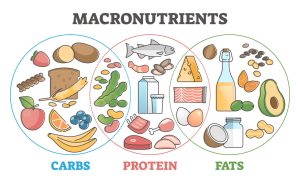

The Ozempic diet plan requires a balanced and sustainable nutrition plan. The aim is to include all of the Macronutrients in a balanced ratio. Macronutrients are a group of nutrients that provide your body with the energy it needs to maintain its structure and function. Macronutrients are carbohydrates, protein, and fats, each of which is extremely important for your overall health and for your body to function optimally.
What are the best foods to eat on Ozempic
In general, your health care provider will recommend a healthy, balanced diet that will best support the reasons for taking Ozempic.
A balanced plan will include the following.
- Lean Protein
- Fruits and Vegetables
- Healthy Fats
- Complex carbohydrates, like whole grains.
Food Safety and What to Avoid on the Ozempic Diet Plan
While no foods are off limits when you are on Ozempic, some foods do work better than others for their nutritional effects.
Balance is critical to success on the Ozempic Diet Plan.
To minimize GI discomfort that can come with Ozempic, experts suggest minimizing intake of certain types of food. Every person is different, but there are certain trends in patient complaints of side effects while taking Ozdempic (semaglutide).
Food That should be avoided or limited
while on the Ozempic Weight loss plan: it is generally a good idea to limit or reduce intake of certain foods.
High-fat foods — like fried or greasy foods — and alcohol are the two most important groups to avoid.
It’s also a good idea to avoid high glycemic index foods, ultra-processed foods, and high-sugar foods and drinks because they can increase blood sugar.
Such as:
- Fried chicken
- Hamburgers
- Fries
- Wine, beer, and liquor
- Cheeses
- Butter
- Vegetable oils like canola
- Carbonated beverages, such as soda
- Sugar-sweetened beverages like juice
Food that should be included in the Ozempic Diet Plan
Protein Rich Food
- Lean Poultry
- Fish
- Lean Beef
- Beans
- Lentils
- Greek Yogurt
- Eggs
- Tofu
- Peanut Butter
Always use good protein sources, as these will help to maintain muscle. When on Ozempic, weight loss usually occurs, thus resulting in muscle loss.
Fiber Rich Foods
- Brown rice.
- Whole wheat bread.
- Quinoa.
- Barley.
- Whole wheat pasta.
- Oats.
- Whole cornmeal.
- Farro
These foods also contain micronutrients like vitamin B12, folic acid, vitamin A, E, and iron.
How does Ozempic Affect Your Appetite


Semaglutide (Ozempic) is a glucagon-like peptide-1 receptor agonist (GLP-1 RA). This means it mimics the natural hormone GLP-1 produced to help regulate appetite and blood sugar levels.
This can vary from person to person, with some on one end experiencing no effects on appetite and some on the other end having a significant reduction in their hunger from the first dose.
Most people, however, are in the middle of the road, having a moderate reduction in their appetite overall. For those on the higher end, this shift can affect their relationship with food in the long run, causing them to lose interest in food. The longer on Ozempic, this can become stressful and frustrating, causing some to give up on the medication and go back to old habits.
Portion Control
Another vital principle of the Ozempic diet plan is portion control. It is essential to monitor the amount of food you eat to ensure you are not overeating. One way to do this is to use smaller plates and bowls to help you eat smaller portions. Another strategy is using measuring cups and spoons to measure your food.
Meal Timing and Frequency
The timing and frequency of your meals can also play a role in the Ozempic diet plan. The recommendation is to eat at least three meals a day, with one to two snacks in between as needed. Eating at regular times can help regulate your blood sugar levels and more than likely prevent overeating.
Incorporating Nutrient-Rich Foods
On the Ozempic diet plan, it’s important to emphasize a plan for incorporating nutrient-rich foods into your diet. This includes foods that are high in fiber, vitamins, and minerals. Nutrient-rich foods include fruits, vegetables, whole grains, lean protein, and healthy fats. By focusing on these foods, you can ensure that you get the nutrients your body needs to function correctly.
Sample Meal Plans


If you want to start the Ozempic diet plan, you may wonder what meals you can eat. Here are some suggestions for your meal plans to help you get started.
Breakfast Ideas
Scrambled eggs, made with ½ cup egg white with ½ cup spinach and mushrooms
½ cup of Greek yogurt with 1 cup of berries and ¼ cup almonds
½ cup Oatmeal with one medium-sliced banana and 1 tbsp peanut butter
Avocado toast with smoked salmon- 1 slice whole wheat bread topped with 2 ounces of avocado and two pieces of smoked salmon
Lunch Suggestions
Grilled chicken salad with mixed greens, tomatoes, and cucumbers (4 ounces of chicken, 2 cups of mixed greens, chopped tomatoes, ½ sliced cucumber
Turkey and avocado wrap with whole wheat tortilla(6 ounces of turkey, 2 ounces of avocado, 1-8 inch wheat tortilla)
Lentil soup with whole grain crackers(1 cup of lentil soup, 1 ounce of whole grain crackers)
Tuna salad with mixed greens and grape tomatoes
Dinner Options
Grilled salmon with roasted asparagus and quinoa( 6 ounces of salmon and 2 cups of asparagus, 1 cup of cooked quinoa)
Baked chicken with sweet potato and green beans( 4 ounces of chicken and 100 grams of sweet potato, 1 cup of green beans)
Beef stir-fry with mixed vegetables and brown rice( 6 ounces of beef and 2 cups of mixed vegetables,½ cup brown rice)
The focus should be on whole, nutrient-dense foods and avoid processed and sugary foods. By following these sample meal plans, you can ensure that you’re getting a variety of healthy foods while also managing your blood sugar levels with the help of Ozempic.
Shopping and Preparation on Ozempic Diet Plan
Creating a Shopping List


Creating a shopping list before heading to the grocery store is essential to ensure you have all the necessary ingredients for your Ozempic diet plan.
Start by planning out your meals for the week and making note of any ingredients you may need before going to shop. This helps you avoid any unnecessary purchases and keeps you on track with your plan.
When creating your shopping list, purchase whole, nutrient-dense foods such as fresh fruits and vegetables, lean proteins, and healthy fats. Avoid processed and packaged foods as much as possible, as they are high in calories, sugar, and unhealthy fats.
Consider buying in bulk and freezing items for later use to save time and money. You can also opt for frozen fruits and vegetables, which are just as nutritious as fresh and can last longer in your freezer.
Meal Prepping for Success while taking Ozempic.
Many individuals experience a strong aversion to the foods they previously enjoyed. Even the aroma of certain foods can cause nausea and vomiting. In such cases, it is recommended to consume small meals with high protein and low carbohydrates while avoiding fatty, greasy, fast foods and sugary drinks and juices. Consuming plenty of water and electrolytes is also essential.
If you’re looking to plan your meals, aim for a protein or main dish serving that’s about the size of your palm, paired with 3/4 cup of a side or vegetable. Many individuals have found that this is about the maximum amount of food they can comfortably eat at a meal.
So, it’s also recommended to opt for simpler foods that aren’t too greasy or sweet, as these tend to be easier to digest and cause fewer common side effects. Such foods include bananas, rice, potatoes, and yogurt.
Monitoring and Adjusting Progress


Tracking Weight Loss
When following the Ozempic diet plan, regularly tracking your weight loss progress is important. Mostly, people use a scale to measure their weight and follow it in a journal or a mobile app. It helps you keep track of your progress and identify any trends or patterns in your weight loss journey.
In addition to tracking your weight, you can also take measurements of your waist, hips, and other body parts to monitor changes in your body composition. Also, keep in mind that you need to follow these healthy habits.
- Eat balanced meals. An easy way to do this is by balancing your plate to include all the food groups. Generally, a good guideline is to aim for ¼ of your plate to be protein, ¼ to be carbs, and ½ to be veggies. This way, you’ll feel full and satisfied while getting the nutrients your body requires.
- Check your pace. If you experience side effects from Ozempic, such as nausea or upset stomach, it’s a good idea to practice mindful eating during meals. Mindfully eating means slowing down as you eat. Savor your food slowly to allow your body adequate time to register when full.
- Keep hydrated. On any healthy eating plan, hydration is essential, and it is beneficial while on Ozempic to keep up with your hydration to avoid or limit side effects such as constipation and fatigue. Increased hydration may also be associated with weight loss benefits. A general rule is a minimum of 64 ounces of water or up to half your body weight in ounces
- Prioritize protein. We already know that protein is essential while on Ozempic. It’s a good idea to meet your protein needs by prioritizing a high-quality protein source during every meal and snack. This includes meat, fish, poultry, eggs, dairy, nuts and tofu.
- Skip fad diets. On Ozempic, it is not the time to try intermittent fasting, Keto, or any other popular fad diet. Instead, focus on incorporating small changes in your diet and exercise routine that you can comfortably stick with over the long term,
- Focus on movement. If you haven’t started already, make sure to incorporate regular exercise into your routine. Doing a mix of cardio and strength training is recommended, but you should do whatever you enjoy the most that gets your body moving.
- Emphasize sleep. Sleep is not just a time for recovery. While it often gets overlooked during our busy schedules, it should be prioritized for your health and well-being. Poor sleep is associated with increased stress which can lead to overeating of junk food and weight gain.
- Get extra support from a Registered Dietitian or Nutrition Coach. If you struggle to meet your goals or make sustainable changes, consider speaking to a nutrition professional such as a Registered Dietitian or Nutrition Coach.
This is especially helpful if you are not seeing a significant change in your weight but are noticing changes in your body shape and size; how your clothes fit is also a good gauge of if the habits you have adopted are working or not.
Ozempic Dosage Adjustments
As you continue on the Ozempic diet plan, you may need to adjust your dosage of Ozempic together with your healthcare provider as you monitor your progress. This may be necessary if you are not seeing the desired results or experiencing side effects.
It’s so important to follow your healthcare provider’s instructions regarding dosage adjustments and to report any changes in your symptoms or weight loss progress.
Consulting Healthcare Professionals
If you have any questions or concerns about your Ozempic diet plan or weight loss progress, it is important to consult with your healthcare provider. They can provide you with guidance and support, as well as monitor your progress and adjust your treatment plan as needed.
In addition to your healthcare provider, consider working with a registered dietitian, nutrition coach or certified personal trainer to help you achieve your weight loss goals. These professionals can provide personalized guidance and support to help you reach your desired outcomes.
Final Thoughts on Ozempic Diet Plan


Like any other healthy eating plan, being on the Ozempic diet plan requires discipline, consistency, and commitment. Small changes to your diet and lifestyle can lead to overall success. Your plan should include fruit and vegetables, lean proteins, and healthy fats, and limit the amount of processed food you eat. Eating this way may reduce common side effects like nausea and vomiting. Another essential part of your plan is a healthy and varied exercise routine, which should include strength/ resistance training to help preserve muscle mass.
You may notice that some people see results faster than others on the Ozempic Diet Plan, depending on individual factors such as weight, diet, and exercise habits. The Ozempic Diet plan is meant to be sustainable therefore, you must be patient and consistent with this plan to achieve the best results.
Overall Ozempic Diet Plan can be a useful tool for weight loss and type 2 diabetes management; working closely with your healthcare provider or a registered dietitian is the safest and most effective way to ensure that your specific needs and goals are met.
Frequently Asked Questions


Can I be on the Ozempic Diet Plan Without a Prescription?
If you are interested in trying the Ozempic Diet Plan but don’t have a prescription, it is important to consult with your healthcare provider to see if you qualify to be in Ozempic. They can guide you in the best direction for you. It is also important to note that the medication Ozempic is a prescription medication and should not be used without careful medical supervision.
Is the Ozempic Diet Plan only for Diabetics?
While the Ozempic Diet Plan can be a beneficial option for those with type 2 diabetes, following a plan like the Ozempic Plan that focuses on high nutritional value foods can benefit anyone pursuing a healthy Lifestyle. Work with your healthcare provider to ensure the plan is safe and effective for your needs if you have type 2 diabetes and are not following an eating plan to manage your diabetes, it’s essential to contact your healthcare provider, or a Registered dietitian can guide you on incorporating the Ozempic Diet Plan into your diabetes management plan.
References
https://doi.org/10.1111/dom.14200
https://www.nejrgm.o/doi/full/10.1056
https://pubmed.ncbi.nlm.nih.gov/28110911
https://pubmed.ncbi.nlm.nih.gov/28385659
https://pubmed.ncbi.nlm.nih.gov/29246950
https://pubmed.ncbi.nlm.nih.gov/28344112
https://pubmed.ncbi.nlm.nih.gov/29688502
Disclaimer:
-
The information contained in this article is for general information purposes only. The author assumes no responsibility for errors or omissions in the contents of the article.
-
The author makes no representations as to the accuracy, completeness, or suitability of the information contained in this article.
-
In no event shall the author be liable for any special, direct, indirect, consequential, or incidental damages or any damages whatsoever, whether in an action of contract, negligence or other tort, arising out of or in connection with the use of the article or the contents of the article.
-
The author reserves the right to make additions, deletions, or modifications to the contents of the article at any time without prior notice.